CAPE FOOD CULTURE — GUIDE
Cape Seafood Seasons — Snoek, Kreef and When to Eat What
The Cape's best seafood is seasonal by law and by migration. Here is the honest calendar — including the days you cannot have kreef at all.
Snoek runs inshore November to April with a second winter run May to October. West Coast rock lobster (kreef) is permit-only, limited to 12–13 gazetted recreational days between December and March, and recreationally caught kreef may never be sold. Linefish like Cape salmon, red roman and hottentot fill the winter months.
The short answer
Snoek runs inshore November to April with a second winter run May to October. West Coast rock lobster (kreef) is permit-only, limited to 12–13 gazetted recreational days between December and March, and recreationally caught kreef may never be sold. Linefish like Cape salmon, red roman and hottentot fill the winter months.
We refresh this guide each time the Department of Forestry, Fisheries and the Environment gazettes new season dates — typically once a year, ahead of summer. The calendar below reflects the 2025/26 gazette; always check the current season before planning a kreef dinner.
Snoek — the Cape's working fish
Snoek is the fish Cape Town actually eats: a firm, oily, barracuda-like linefish that has fed the Cape for generations. The inshore season runs November to April, when the fish follow baitfish into False Bay and the harbour landings are daily. A winter run from May to October brings bigger, fattier fish — many locals insist winter snoek is the better eating.
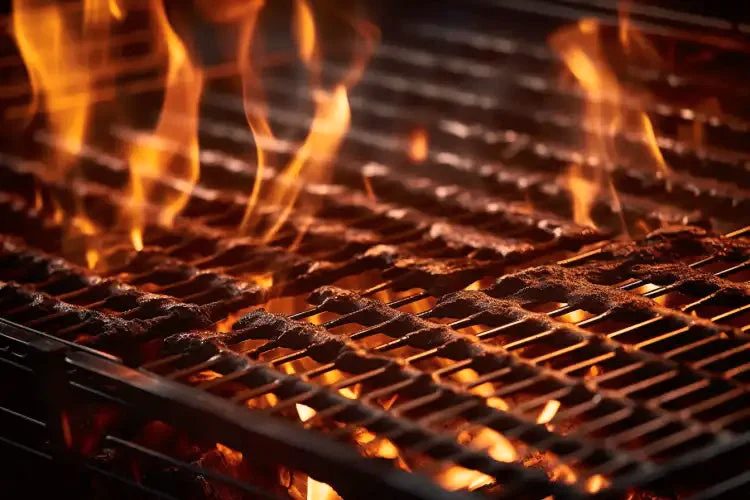
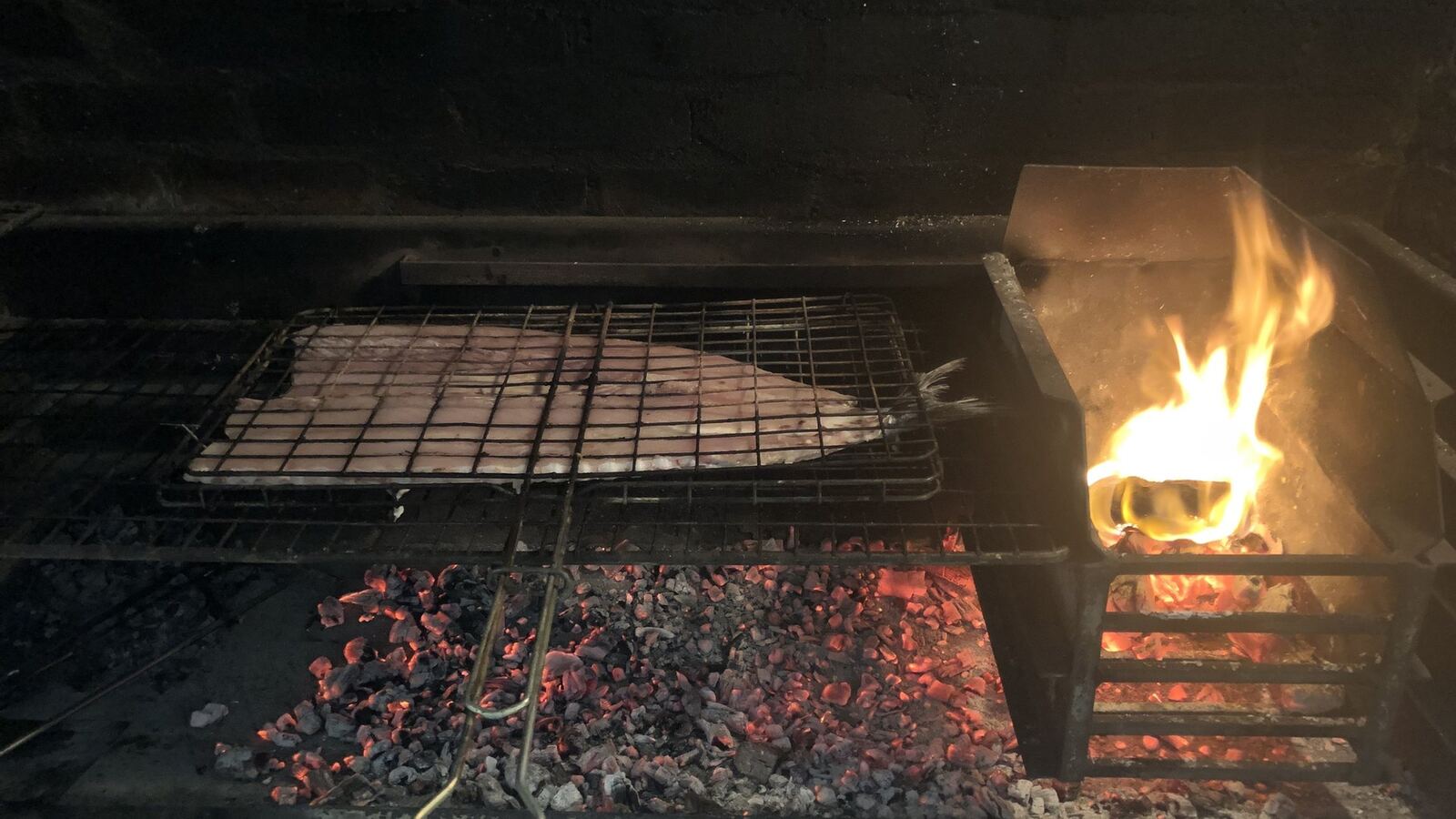
The classic preparation is the braai: whole snoek in a folding grid, glazed with apricot jam and lemon, the sweet cutting the oil. It is the dish that converts visitors who claim not to like fish. Our Cape seafood journey builds a course around it when the boats are landing.
Kreef — the red gold, and the rules
West Coast rock lobster is the Cape's premium delicacy — sweet, cold-water tail meat from the Benguela current, classically grilled on the braai with lemon butter and paired with Constantia Sauvignon Blanc. It is also heavily protected, and the rules are not optional.
The recreational season is gazetted annually and short: the 2025/26 season allowed roughly 12–13 fishing days between December and March, with a bag limit of four per person per day and size minimums. Recreational catch may not be sold — full stop. Any kreef on a commercial menu must come from licensed commercial rights-holders, and any chef who cannot tell you where the kreef came from is a reason to order something else.
- Recreational kreef: permit-only, 12–13 gazetted days (Dec–Mar), 4 per day bag limit — never for sale.
- Commercial kreef: licensed rights-holders only; provenance should be answerable on request.
- Season dates change annually by DFFE gazette — this guide is refreshed when they publish.
- Off-season alternative: south coast lobster and farmed mussels carry menus from April to November.
The rest of the calendar
Yellowtail follows the same summer pattern as snoek — November to April inshore — and is the Cape's great sashimi-grade fish. Winter belongs to the bottom fish: Cape salmon, red roman and hottentot through the cold months, when the Atlantic is rough and the catches are smaller but the quality is superb.
The planning rule is simple: eat what the month offers. A December table wants snoek, yellowtail and — on the gazetted days, from licensed suppliers — kreef. A July table wants winter snoek, hottentot and a bredie beside it. Our seafood menus are written against this calendar rather than against a freezer.
One sustainability note, because it changes what you should order: West Coast rock lobster stocks are under genuine pressure, which is precisely why the seasons are short and the permits strict. Choosing linefish in season — snoek, yellowtail, hottentot — is the lower-impact default, and any supplier who cannot answer 'where was this caught, and by whom' should not get the order. Ask the question; the good fishmongers light up when you do.
If you take one habit from this guide: buy the harbour, not the freezer. Hout Bay and Kalk Bay land daily in season, the boats' WhatsApp-era equivalent is the fishmonger's morning board, and the difference between fish caught yesterday and fish caught last month is the entire point of eating seafood at the Cape.
Questions, answered.
We update this guide annually — figures re-verified October 2026.
Related guides & services
Get an exact quote.
We handle everything else — menu, shopping, cooking, service, cleanup. Guaranteed.
Replacement-or-refund · Fixed itemised quote · Published cancellation tiers