CAPE FOOD CULTURE — GUIDE
What Is a Braai? South Africa's Fire Culture, Explained
It is not a BBQ. It is wood, time and the whole neighbourhood invited — and in Cape Town it is the most honest way to eat.
A braai (rhymes with 'cry') is South Africa's social institution of cooking over a real wood fire. It is never gas, it is rarely rushed, and the fire itself — not just the food — is the point. Heritage Day on 24 September doubles as National Braai Day, when the whole country lights coals at once. from R650 pp per person · Min 6 guests / R5,500 min invoice.
The short answer
A braai (rhymes with 'cry') is South Africa's social institution of cooking over a real wood fire. It is never gas, it is rarely rushed, and the fire itself — not just the food — is the point. Heritage Day on 24 September doubles as National Braai Day, when the whole country lights coals at once.
Visitors often arrive expecting a BBQ with a different accent. The distinction matters more than it sounds: a BBQ is a cooking method, while a braai is an event structure. The fire is lit hours before anyone eats. People gather around it, drinks in hand, while the wood burns down to coals. Eating is the second half of the evening, not the first.
Braai vs BBQ — the honest comparison
The differences are practical as much as philosophical. If you are planning an event in Cape Town, they change what you book and how long the evening runs.
- Fuel: a braai burns wood — kameeldoring, rooikrans or vine stumps in the Cape — and waits for coals. Gas is considered a confession of failure.
- Time: the fire is lit 60–90 minutes before cooking starts. The gap is the social core of the event, not dead time.
- Role of the host: one person runs the fire — the braaier — and advice from the sidelines is a tradition with its own etiquette.
- Menu structure: boerewors first to keep guests happy, then chops, sosaties or fish, with pap and sous or salads alongside.
- Occasion: a braai needs no occasion. It is the default format for birthdays, rugby afternoons, Tuesdays and national holidays alike.
What goes on the grid
The Cape canon starts with boerewors — a coarse sausage spiced with coriander, clove and nutmeg — and lamb chops. Sosaties (skewered, curried-apricot marinated meat) carry Cape Malay influence. Along the coast, snoek is the working classic, braaied in a folding grid and glazed with apricot jam; in season, licensed kreef (West Coast rock lobster) goes over the coals with lemon butter.
Sides are their own tradition: pap (maize meal) with tomato-and-onion sous, chakalaka, braaibroodjies — cheese, tomato and onion sandwiches toasted on the grid — and potato bake that someone always insists on bringing.
A word on etiquette, because visitors get this wrong. Never prod the meat, never offer unsolicited turning advice, and never touch another person's tongs — the braaier's grid is sovereign territory. What you may do, and are expected to do, is stand near the fire with a drink and keep the braaier company. That proximity is not hovering; it is the entire point.
A gourmet braai keeps the ritual and raises the sourcing: A-grade lamb, linefish from that morning's harbour landing, seasonal vegetables charred over the same coals. Our private braai chef service is built exactly on that idea — the fire stays honest, the plate gets restaurant care.
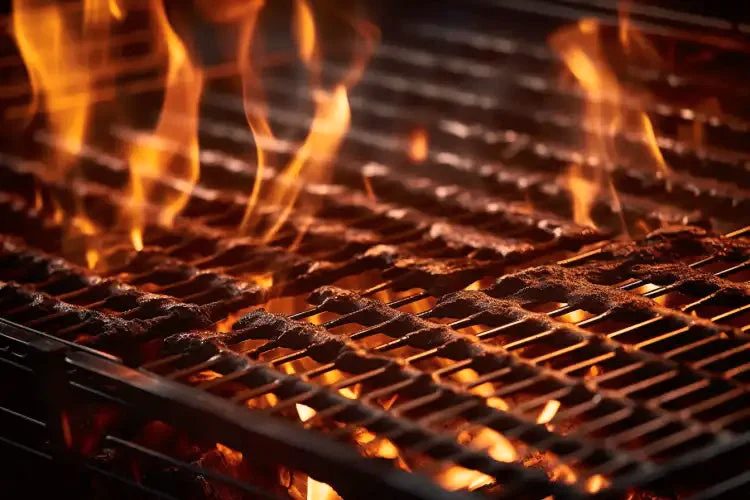
How to experience a real one in Cape Town
The obvious answer is to get invited — Capetonians braai generously, and visitors who mention an interest tend to collect invitations quickly. Failing that, book one. A private braai chef brings the wood, runs the fire and serves the courses while you host, which is the full cultural experience with none of the shopping.
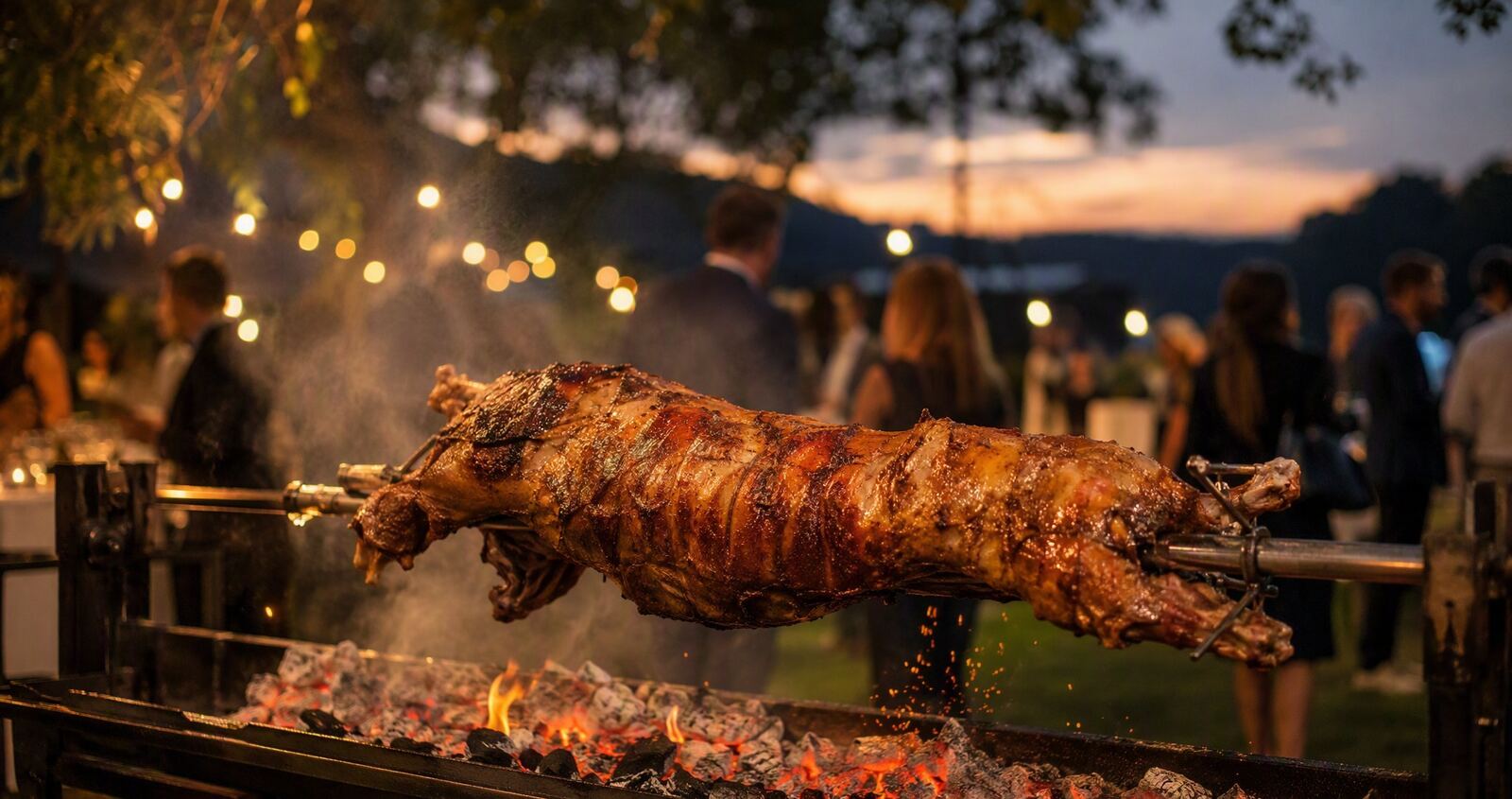
If you are here in late September, plan around National Braai Day — our annual guide covers menus, timing and group sizes. And if you are feeding a crowd of twenty or more, a spit braai scales the same fire culture to event size.
One last translation for visitors: when a Capetonian says 'bring-and-braai', you bring your own meat and drinks and the host provides the fire — it is an invitation structure, not stinginess, and accepting one is the fastest way into the culture there is.
Questions, answered.
We update this guide annually — figures re-verified October 2026.
Related guides & services
Get an exact quote.
We handle everything else — menu, shopping, cooking, service, cleanup. Guaranteed.
Replacement-or-refund · Fixed itemised quote · Published cancellation tiers